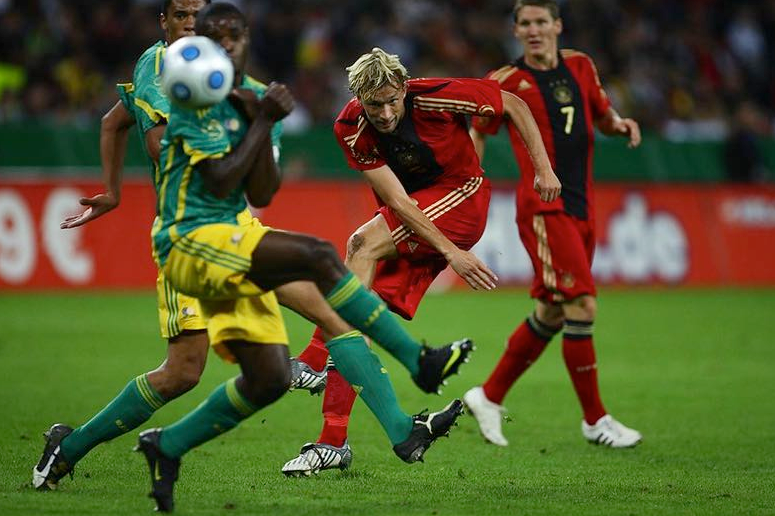
Friendly matches sit in a strange space: everyone knows the result does not count for points, yet coaches and analysts treat them as serious tools. When you watch a friendly from first minute to last, the real value lies not in the scoreline but in how managers test structures, build fitness and chemistry, and gather information that shapes the competitive season that follows.
What A Friendly Match Is Trying To Achieve
A friendly match is a non‑competitive fixture that does not award league points or directly decide qualification but still replicates most of the physical and tactical demands of a real game. Clubs and national teams use them to rehearse systems under match‑speed pressure, check player relationships in different roles, and expose new signings or youth prospects to the team’s style. For viewers, this means the real “result” to track is not the final score but which patterns of play look repeatable and which experiments break down as soon as opponents apply real resistance.
How Friendlies Build Match Fitness In A Way Training Cannot
No matter how intense training drills are, the rhythm and stress of a match—constant decision‑making, repeated accelerations, contact—are hard to replicate perfectly. Friendlies bridge that gap by letting players accumulate minutes at game intensity without the psychological load of league points or tournament elimination, allowing coaching staff to ramp workloads in controlled steps. When you watch, you will notice staggered playing times—starters getting 45–60 minutes early in pre‑season, then longer stints later—as coaches calibrate conditioning and monitor who can maintain pressing, recovery runs and sharp touches under fatigue.
Why Tactical Experiments Show Up More Clearly In Friendlies
Because the result is less critical, managers are far more willing to test new formations, pressing schemes, and build‑up structures in friendlies than in competitive matches. They may switch from a back four to a back three mid‑game, invert full-backs, or try a different pressing height to see how the team copes with new spacing and roles. As a viewer, this is your chance to watch how quickly players recognise new cues: do centre‑backs know when to step into midfield, do wingers coordinate pressing triggers, and can the midfield maintain distances when the shape changes?
How Watching Friendlies Live Changes What You Focus On
If you only see friendly highlights, they look like loose, slightly slower versions of competitive games; following them live reveals their real structure. Over 90 minutes you can track how patterns evolve: a team might start with cautious build‑up, then shift into more direct play after planned substitutions to test alternative attacking routes. When you ดูบอลสด, it becomes easier to separate fitness‑driven dips—legs fading in the final 20 minutes—from tactical issues, such as repeated gaps between midfield and defence whenever the press is broken.
How Coaches And Analysts Use Data From Friendlies
Modern staff do not treat friendlies as “off the record”; they collect the same kind of tracking and event data they use in competitive fixtures. Metrics like xG, xGA, pressing intensity, and possession depth in friendlies help them see whether new structures are actually improving chance quality or simply producing chaotic, unsustainable attacks. Analysts can track how a new system affects shot locations, how often the team is exposed in transition, and whether planned pressing patterns translate into concrete turnovers in the final third.
Example Table: What Clubs Look For In Friendlies vs Competitive Matches
From the outside, friendlies and competitive games share a pitch and a ball, but clubs weigh information differently between the two contexts. The table below shows how priorities shift and what you might want to look for as a viewer.
| Aspect | Friendly Match Focus | Competitive Match Focus |
| Result | Secondary; performance patterns matter more | Primary; points/qualification are the main objective |
| Player minutes | Gradual build‑up, rotation to test squad depth | Strongest XI, limited rotation unless forced |
| Tactical experiments | High; multiple systems and roles tried | Lower; tweaks within established framework |
| Data use (xG, tracking) | Evaluate ideas and individuals, small sample tolerance | Evaluate execution of proven patterns under pressure |
Reading friendlies through this lens helps you avoid overreacting to wild scorelines—especially late in games with many substitutions—and instead concentrate on whether underlying structures look coherent. It also reveals why some teams look poor in friendly results but sharp once competitions start: they used those games to stress‑test ideas rather than to protect confidence.
How Friendlies Help Integrate New Players And Roles
New signings and academy graduates rarely drop straight into a competitive starting XI without live rehearsal time. Friendlies give coaches a low‑stakes platform to test whether a new midfielder can handle build‑up under pressure, whether a full-back can invert into midfield, or how a forward links with existing attackers in specific zones. When you watch these matches, pay close attention to off‑ball movement and combinations: do teammates look comfortable playing first‑time passes into a new striker’s feet, and does a new centre‑back naturally step into the same line as his partner when defending crosses?
Live‑Watching Sequence: How To Read A Friendly Like An Analyst
Because friendlies carry different priorities, you benefit from a slightly different viewing approach than in competitive fixtures. The sequence below gives you a practical structure that fits how coaches actually use these matches.
- Opening 20 minutes: Focus on base shape, pressing height, and build‑up patterns rather than the score; this phase often reflects how the team will try to play competitively.
- Mid‑first half: Track how new players or role changes affect connectivity—are there passing lanes that break lines, or are teammates hesitant and static around them?
- Half-time and early second half: Note planned substitutions, especially like‑for‑like swaps that test depth in specific roles (e.g., second holding midfielder, alternative left‑back).
- Final 25 minutes: Expect structure to loosen as line‑ups become mixed; look for individual behaviours (pressing intensity, decision-making under fatigue) rather than clean team patterns.
- After the match: Compare your sense of which experiments looked stable with any xG or chance quality data, to see whether your eye matches underlying numbers.
Approaching friendlies this way keeps you focused on signals that matter for the season ahead—cohesion, tactical clarity, and physical readiness—rather than drawing big conclusions from a late equaliser scored by a half‑rotated side. It also reinforces the habit of thinking in terms of repeatable patterns rather than isolated moments, which carries over smoothly into league and cup viewing.
Why Results In Friendlies Can Mislead If You Treat Them Like Competitive Games
Scorelines in friendlies often reflect uneven fitness, experimental line‑ups and heavy rotation more than any stable hierarchy between teams. A side in its third pre‑season game will usually look sharper than one just back from break, and coaches may accept short‑term defensive instability if it means stress‑testing a new attacking structure. When you watch, it helps to discount goals that come from obvious mismatches—such as late in the second half when one team is full of academy players and the other still has several starters—because those minutes tell you more about depth and readiness than about the first-choice XI.
Summary
Friendly matches matter because they compress several key tasks—building fitness, testing tactics, integrating players, and gathering data—into a low‑stakes environment that still looks and feels like real ดูบอลย้อนหลัง ช้าง. For viewers, the value lies in watching how shapes, roles and relationships evolve across the 90 minutes rather than in treating the result as a verdict, and in using friendlies as a preview of which ideas might carry over once competitive pressure returns. When you follow future warm‑up games with this mindset, you will see them less as throwaway fixtures and more as live laboratories where the next season’s tactical story quietly takes shape.