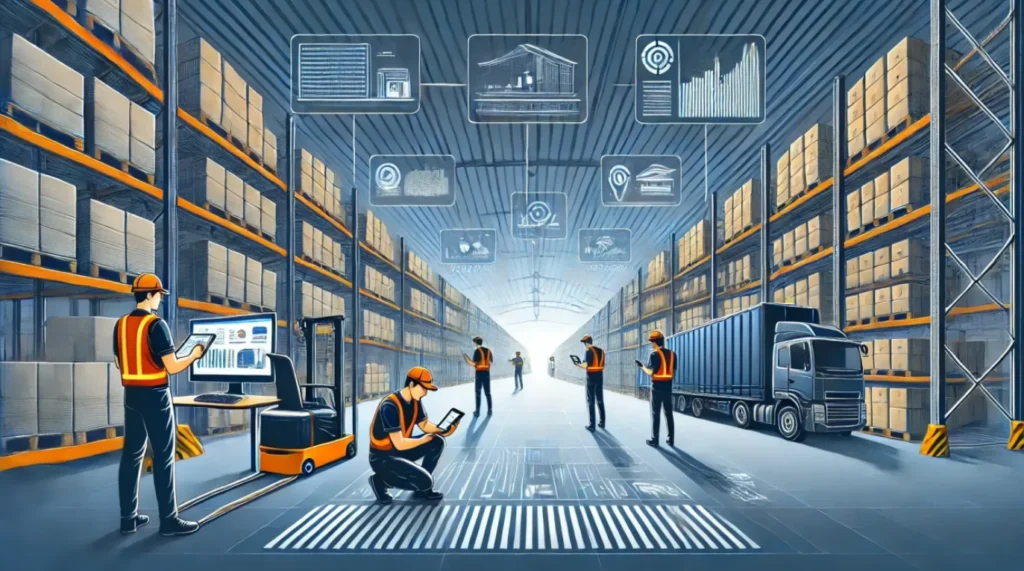
When you order something online and it arrives at your door the next day, that’s not magic. It’s the result of incredibly sophisticated warehousing and logistics Australia systems working behind the scenes. The industry has changed dramatically over the past decade as online shopping exploded and customer expectations shifted. Australians now spend over $60 billion per year shopping online, and that number keeps growing. Traditional warehouses that once stored products for weeks or months now move items in and out within hours. Modern logistics facilities use robots, artificial intelligence, and advanced tracking systems to process thousands of orders daily. The sector employs over 200,000 Australians and continues expanding as e-commerce grows. Australia’s geographic size and scattered population make logistics especially challenging compared to smaller, denser countries. Moving products efficiently across such vast distances requires smart planning and serious investment in infrastructure.
What makes modern warehouses different from old ones?
Old warehouses were basically big storage buildings where workers walked around with clipboards finding products on shelves. Modern facilities look more like high-tech factories. Automated systems use robots on tracks to fetch items and bring them to human workers. Computer algorithms determine the best placement for products, putting fast-moving items near the front and slow movers toward the back. Barcode scanners and radio frequency tags track every single item’s location in real time. Temperature-controlled zones keep food fresh and electronics at proper storage temperatures. The buildings themselves are designed differently too, with higher ceilings that allow more vertical storage and wider aisles for robots to navigate safely.
How has online shopping changed logistics needs?
Online shopping completely flipped logistics on its head. Traditional retail sent big shipments from warehouses to stores, where customers came to shop. Now warehouses ship individual items directly to thousands of different homes. That requires totally different systems. Instead of loading one truck with 100 identical boxes going to one store, workers might load a truck with 100 different items going to 100 different addresses. The sorting and packaging process got way more complicated. Plus, customers expect fast delivery. Same-day or next-day shipping means warehouses need to be closer to cities. That’s why you see more logistics facilities popping up in suburban areas near major population centers rather than in remote industrial zones.
What role does technology play in modern logistics?
Technology drives almost everything now. Warehouse management software tracks inventory levels automatically and reorders products before they run out. Route optimization algorithms calculate the fastest delivery paths considering traffic, weather, and delivery time windows. Predictive analytics help companies forecast demand, so they stock up before busy periods like Christmas. Some warehouses use drones to scan high shelves and count inventory. Artificial intelligence predicts which products will sell well in different regions, positioning inventory closer to where it’s needed. Mobile apps let delivery drivers see exactly where to go and customers track packages in real time. All these systems talk to each other, creating a seamless flow of information from manufacturer to customer.
Why is location so important for warehouses?
Getting products to customers quickly means warehouses need to be strategically placed. Most logistics companies operate multiple facilities positioned around major cities. A warehouse in western Sydney can reach different areas than one in eastern Sydney, cutting delivery times significantly. Proximity to highways and railways matters too, making it easier to move products between facilities. Ports are crucial for international shipments, so you’ll find major warehouses near Melbourne, Sydney, Brisbane, and Perth ports. Some companies even use micro-fulfillment centers, tiny warehouses in urban areas that stock popular items for ultra-fast delivery. Location decisions involve analyzing population density, traffic patterns, real estate costs, and competitor locations.
How are logistics companies becoming more environmentally friendly?
The logistics industry produces significant carbon emissions, but companies are working to reduce their environmental impact. Electric delivery vehicles are becoming more common, especially for short urban routes. Solar panels on warehouse roofs generate clean electricity to power operations. LED lighting and motion sensors reduce energy waste in facilities. Some companies use recycled or biodegradable packaging materials instead of plastic. Route optimization doesn’t just save time, it reduces fuel consumption by eliminating unnecessary driving. Consolidating shipments means fewer delivery trucks on the road overall. Several major Australian logistics companies have committed to achieving net-zero emissions by 2040, investing billions in green technology to reach that goal.