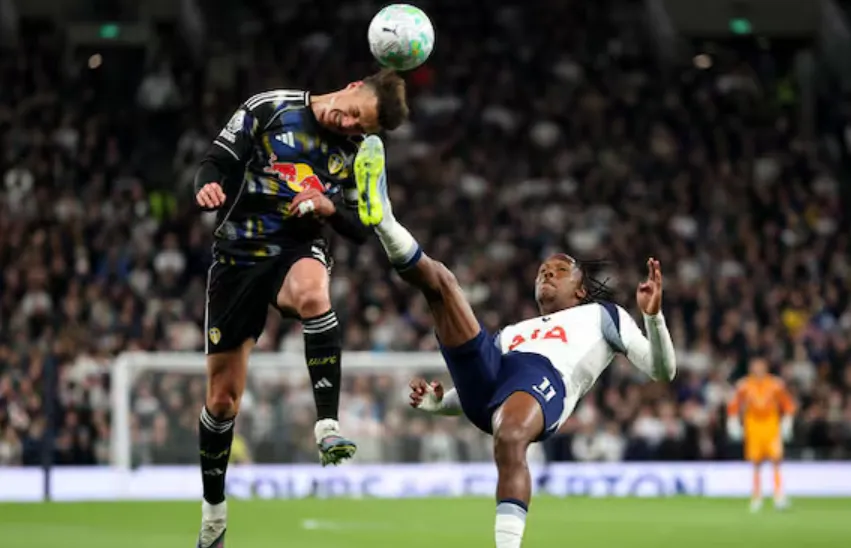
Relegation battles in the 2021/22 Premier League were defined by urgency, tension, and physical intensity. These matches often produced distinct patterns in disciplinary actions and penalty incidents. Unlike standard fixtures, survival pressure pushed teams toward riskier behavior, increasing the likelihood of cards and decisive referee interventions.
Why Survival Pressure Increases Physical Risk
Teams fighting relegation operate under extreme consequence. Every point can determine their position in the league, which alters decision-making on the pitch.
The cause is heightened psychological stress. The outcome is more aggressive challenges and reactive defending. The impact is a higher frequency of fouls, which directly contributes to increased yellow and red cards.
How Defensive Urgency Leads to Fouls in Critical Areas
Relegation-threatened teams often spend more time defending, especially against stronger opponents. This creates repeated situations where defenders must react under pressure.
Before identifying patterns, it is important to recognize that defensive volume increases error probability.
- Late tackles inside the penalty area.
- Tactical fouls to stop counterattacks.
- Misjudged clearances under pressure.
- Physical duels escalating into fouls.
- Panic defending in crowded situations.
These actions increase disciplinary risk. The interpretation is that sustained pressure leads to mistakes, particularly in high-risk zones.
Why Penalty Incidents Become More Frequent
Penalty situations often arise from defensive errors rather than attacking brilliance. In relegation battles, these errors become more common due to pressure and fatigue.
Before outlining key causes, it is important to understand that penalties are often the result of accumulated defensive stress.
- Defenders reacting late to attacking movements.
- Increased physical contact inside the box.
- Poor positioning leading to desperate interventions.
- Handball incidents from rushed clearances.
- Goalkeepers forced into risky challenges.
These factors contribute to penalty frequency. The interpretation is that penalties are not isolated events but outcomes of sustained defensive strain.
The Role of Emotional Intensity in Card Accumulation
Emotions play a significant role in relegation matches. Frustration, urgency, and fear of failure influence player behavior.
Emotional triggers
- Disputes with referees leading to bookings.
- Retaliatory fouls after physical challenges.
- Time-wasting escalating into cautions.
- Increased confrontation between players.
- Loss of composure in decisive moments.
These triggers amplify disciplinary outcomes. The impact is that card totals often exceed normal expectations.
When Referees Influence Match Outcomes
Referees play a critical role in managing high-intensity matches. Their tolerance level and interpretation of fouls can significantly affect outcomes.
In matches with strict officiating, early bookings can set a precedent, increasing overall card counts. Conversely, lenient refereeing may allow physical play to continue, delaying but not eliminating disciplinary incidents.
Observing Market Behavior Around High-Pressure Matches
Markets often recognize general trends but may not fully adjust to the intensity of relegation battles, especially in niche categories.
Under certain observational conditions, bettors analyzing these matches through a sports betting service like เว็บพนัน ufabet168 may notice that card and penalty markets are not always aligned with the level of physical intensity. This creates situations where disciplinary outcomes are more predictable than pricing suggests.
Comparing Match Intensity With Fixed Probability Systems
Relegation battles demonstrate how emotional and situational factors influence football outcomes. Player behavior shifts in response to pressure, altering probabilities.
This differs from a casino online website, where outcomes are determined by fixed mathematical models. In football, human factors introduce variability that can be analyzed and anticipated.
Building a Framework for Cards and Penalties
To interpret these matches effectively, bettors need a structured approach that connects pressure with behavior.
Before outlining the framework, it is important to recognize that context is the primary driver.
- Identify matches with direct relegation implications.
- Evaluate defensive tendencies and foul frequency.
- Analyze referee style and historical card patterns.
- Consider match importance and timing in the season.
- Align insights with markets focused on cards and penalties.
This framework links situational pressure with measurable outcomes. The interpretation is that high-stakes matches consistently produce higher disciplinary risk.
Where This Pattern Breaks Down
Not all relegation matches follow expected patterns. Some teams adopt controlled approaches to avoid mistakes, reducing card frequency.
Additionally, early goals can change match dynamics, either calming or intensifying play depending on context.
Summary
Relegation battle matches in the 2021/22 Premier League consistently produced higher rates of yellow cards, red cards, and penalties due to increased pressure and defensive urgency. By understanding how psychological stress and tactical constraints influence player behavior, it becomes possible to anticipate disciplinary trends and identify situations where outcomes diverge from standard expectations.