For outdoor enthusiasts and those who need to transport utility vehicles, a side-by-side trailer is a valuable investment. These trailers are designed to safely and efficiently move your Utility Task Vehicle (UTVs), All-terrain vehicle (ATVs), or other recreational vehicles to your destination. Given the variety of trailers available, finding the right one can seem daunting. But knowing what to look for, from capacity to design features, ensures you make an informed choice. Selecting the right side by side trailer involves careful consideration of your specific needs and preferences. Continue reading to learn about the various aspects that will help you find the ideal trailer for your specific needs.
Understanding Side-By-Side Trailers: Essential Features and Types
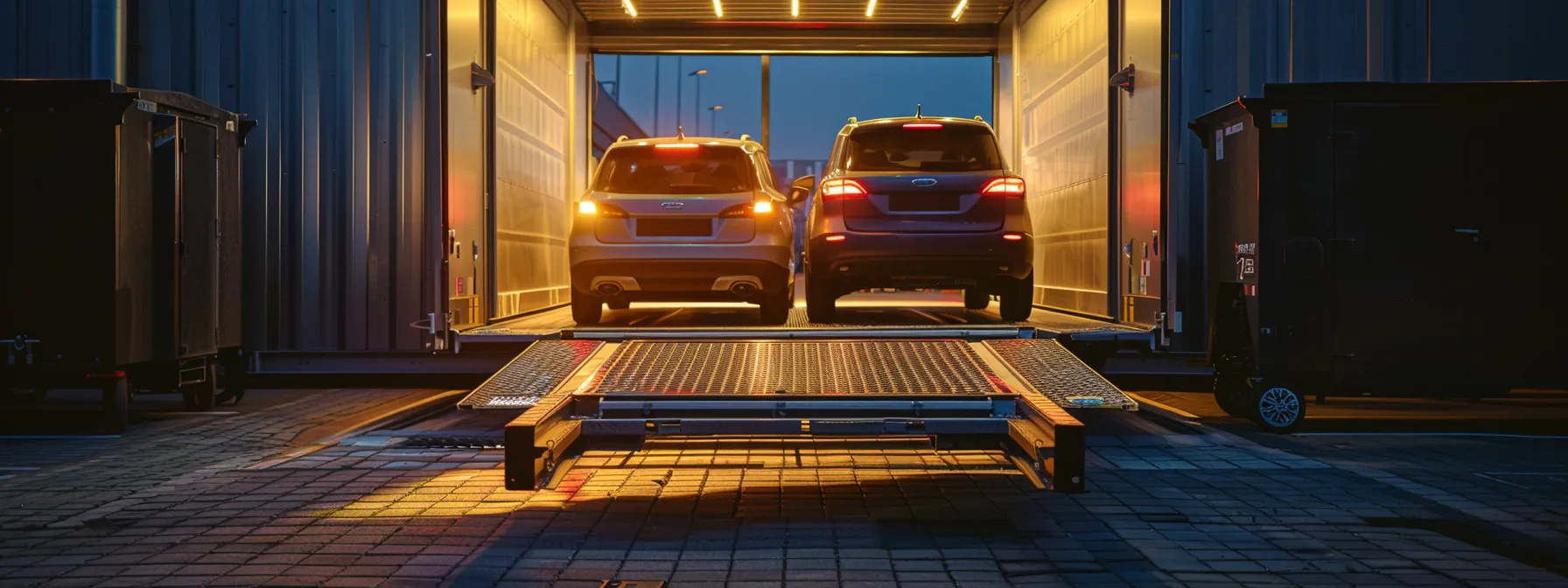
Side-by-side trailers, otherwise known as UTV trailers, are characterized by their capacity to carry two vehicles side by side. These trailers come in various sizes, designs, and weight capacities to accommodate different types of vehicles and uses. It’s essential to consider the trailer’s dimensions to ensure it fits both your vehicle and storage space when not in use.
When examining side-by-side trailers, pay attention to the flooring materials and construction. Durable materials, such as steel or aluminum, can withstand heavy use and unfavorable weather conditions, ensuring the longevity of your investment. Ramps and tilting beds are also considerations for easy loading and unloading of your vehicles.
Storage and safety features, such as tie-down points, locking mechanisms, and sufficient space for securing cargo, are crucial for maintaining security during transit. Proper lighting and reflectors are also essential for visibility, particularly when traveling on public roads. And of course, functionality should not come at the expense of legal compliance, so ensure the trailer meets all necessary safety standards.
One particular type of trailer to consider is the side-by-side trailer, which is specifically designed to carry two vehicles, offering enhanced stability and improved space efficiency. As trailers come in open and enclosed styles, consider the advantages of each, such as the superior protection from elements provided by enclosed trailers or the lighter weight and visibility of open trailers.
Assessing Towing Capacity and Compatibility for Your Vehicle
Before selecting a trailer, understand your towing vehicle’s capabilities, including its towing capacity, which should exceed the combined weight of the trailer and cargo. Ensure the towing hitch matches the trailer requirements for a secure connection.
The weight distribution of the cargo is critical for safety, as uneven loads can affect vehicle control. Follow manufacturer guidelines for loading and verify that your vehicle’s suspension and brakes can handle the additional weight.
Compatibility between your vehicle’s and trailer’s electrical systems is essential, with working tail lights, brake lights, and turn signals. You may need to invest in a trailer braking system based on your jurisdiction and trailer weight.
Keep in mind that heavier trailers can reduce fuel efficiency, so consider aerodynamic designs. Regular maintenance checks on tire pressure and wheel bearings are also important for safety.
Navigating Terrain: Choosing the Right Tires and Suspension for Your Side-By-Side Trailer
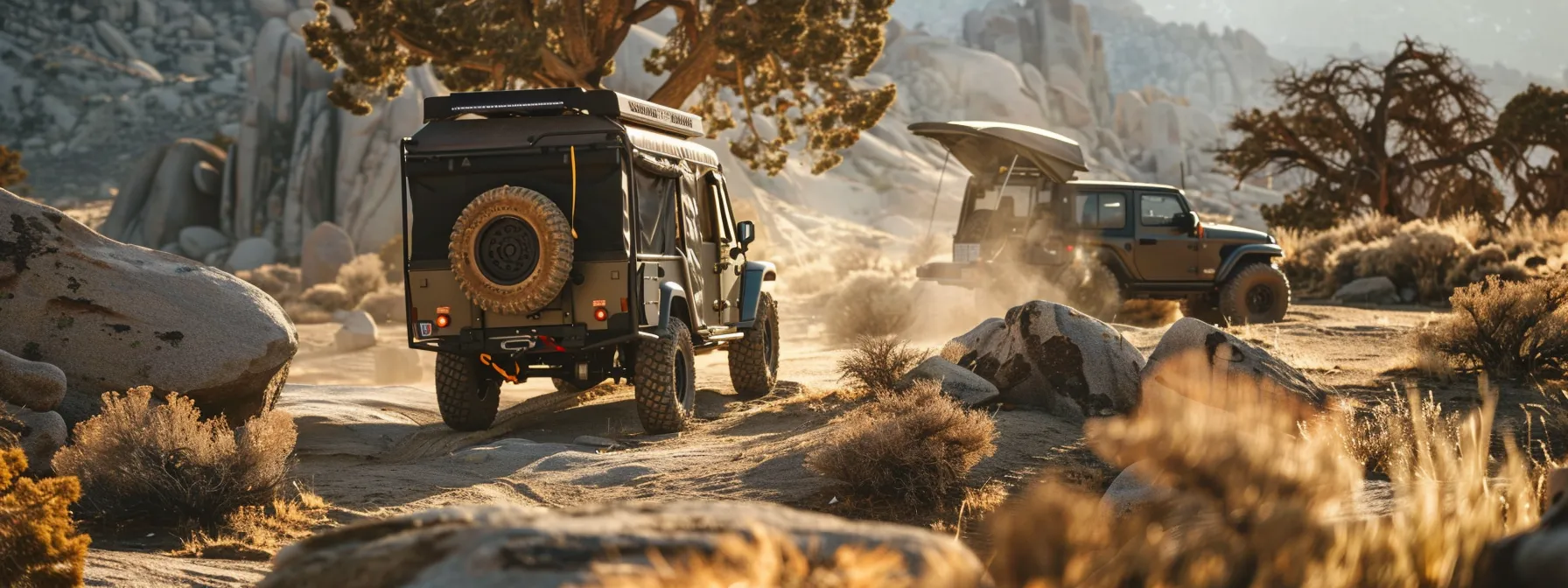
The type of terrain you’ll navigate with your trailer will determine your tire and suspension needs. For smooth highways, standard tires can suffice, but for off-road adventures, choose tires with durable treads and higher ply ratings to prevent punctures.
A good suspension system is crucial for a smoother ride and protecting your cargo from excessive movement. Look for adjustable systems or high-quality, easily maintainable components.
Investing in the right tires and suspension can extend your trailer’s lifespan by reducing stress on its frame. Also, ensure that replacement parts are easily accessible. In regions with harsh winters, consider tires and suspensions suitable for snow and ice. Anti-sway bars can also enhance stability in high winds or uneven loads.
Comparing Open vs. Enclosed Side-By-Side Trailers: Which Suits Your Needs?
The decision between an open or enclosed side-by-side trailer often boils down to intended use and personal preference. Open trailers typically offer ease of access, lighter weight, and better fuel economy during towing. They are ideal for those who prioritize convenience and may not require protection from the elements.
Enclosed trailers, on the other hand, offer the benefit of security and protection for your vehicle from weather, dirt, and theft. They can also double as a mobile garage or storage space when your cars are not in use. However, they are generally heavier and more expensive compared to their open counterparts.
By understanding the features, assessing towing capacity, choosing suitable tires and suspension, deciding between open and enclosed options, and considering potential accessories, you can ensure that you invest in a trailer that serves you well for years to come. With thoughtful evaluation and wise choices, your side-by-side trailer will be a dependable partner in all your adventurous pursuits.